The customer is your captain
Who's your boss? Is it your sales manager? Or maybe it's your CEO? The stock market? The answer is actually none of these – your true boss, your captain, is the customer. After all, they're the one who determines your strategy. If you do an excellent job for your customer, your company will win. Customers in all channels reward those who can navigate their companies to provide the best products and services. The importance of the customer has long been known at the retail/wholesale level, but word is spreading to every industry as great brands focus more on the end-user of their products.
Customers will signal significant trends; it's the brand's job to analyze them and deliver them, provided it aligns with the company's values. The go-to-market process can be complex, from manufacturing to marketing, distribution, and customer experience. If you want to ensure your process is airtight, ask what would serve your customer best. Studying consumer signals allows brands to show customers the products and services they've always wanted but haven't seen yet – that's the ultimate level of trust.
This trust takes time to build, but trust is arguably our most important asset as individuals. "Trust takes years to gain and can be lost in minutes." Consumers value consistency, so don't chase trends or concepts you can't stand behind.
Just because the customer is your boss doesn't mean they're always right; that's a myth. In the same way, honoring or serving your customer doesn't mean you do whatever they ask, but you gain respect by making the best decisions for the long-term partnership. It's more accurate to say that the customer needs to be considered; even though most customers will tell you they don't have all the answers, they have valuable clues that make them ideal partners.
Countless Selling Stories live in customer service, but none are more legendary than Nordstroms. It's widely known that Nordstrom has built its business on a customer-first mentality. Services like in-store alterations, free shipping, and easy returns are why consumers have voted it one of the leading retail companies in the world. However, the story that sets Nordstrom apart involves empowered staff going above and beyond to gain customer trust.
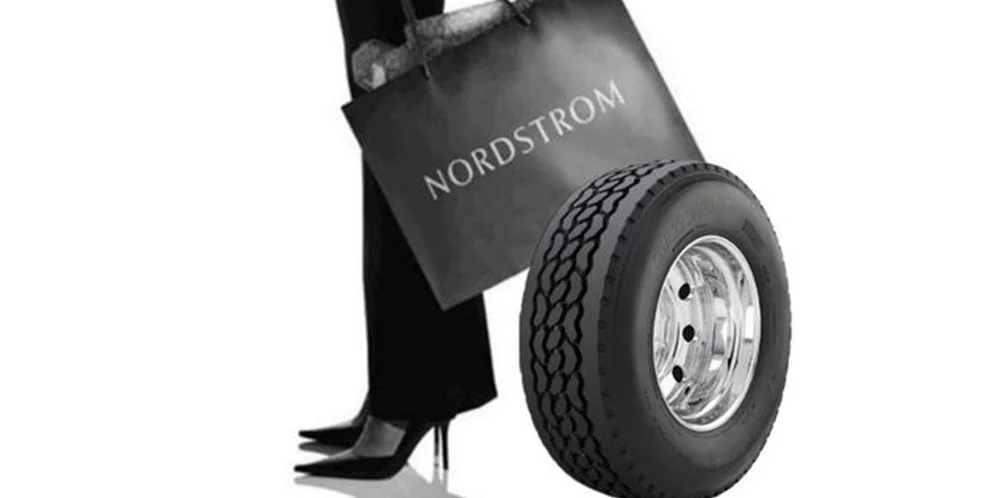
Nordstrom Customer service
Here's how the legend was explained to me. A customer made a return request in a rural Nordstrom location known for bringing fashion apparel and footwear to the region. Even for a company that prided itself on standing behind its products, this request was unusual: the item they wanted to return was tires. Wait, tires? Yes, and it gets crazier – after listening deeply to the customer, Nordstrom staff learned that the product was purchased from that location before it was a Nordstrom! And yet, the customer had traveled a long distance to the store to return the tires. Armed with this information and the customer's emotions, the empowered manager made the radical decision to accept the return and gain a customer for life. This story touches on the human part of business and has become some of the best marketing Nordstrom has ever done, exemplified by the tire hanging in Nordstrom's head office in Seattle. Here's the full story in Pete Nordstrom's own words.
These stories aren't just about selling; they're about people. In all businesses, people and personalities bring a program together. Just as there are multiple types of salespeople, there are at least four customer types. The best salespeople navigate their sales calls like chameleons, shapeshifting from one style and process to another. They do what's best for the partnership between client and brand, using every tool within their reach. No two people are the same, and personalizing your approach to your customer makes a massive difference by creating value and saving them time. Spend time preparing the method that best serves your customer's style, think deeply about your customer's goals, and make sure you're authentic to your interest in the business. Below you will find a few common consumer types and some information on how to navigate them best.
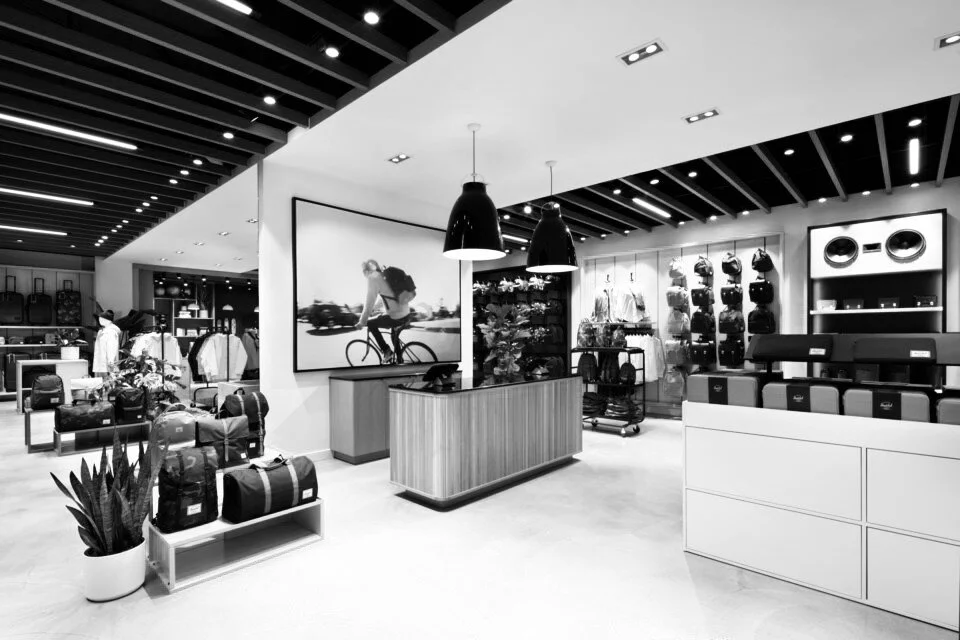
Herschel Vancouver
Four Types of Buyers/Customers
1: Social buyers are often the best showers and sellers. They're in their position because they love the work and enjoy the atmosphere. Generally motivated by keeping everyone happy, they're always considerate of the industry and partners' feelings. These buyers seek stability and low-risk growth. They don't make big moves and need help with more significant decisions. When working with social buyers, try to be their partner in decisions. Highlight the steps involved in growing the business and focus on the present. Avoid grand plans and excessive wordplay. Keep presentations and game planning natural, using real-life examples of other friendly accounts. Social buyers love thinking of their partners as friends; the best friends are consultative sellers.
2: Trend seekers are sometimes mistaken for social buyers, but these buyers don't just want to be included; they want to be first. They need to bring back innovation. Less concerned about price, they want exclusivity and early access to ideas of their own customer's value. When working with trend buyers, concentrate on connecting people with the product, its features, impact, and scarcity – and most of all, how it feels to be first. Being first is a powerful driving force on the path to success. Trend-forward buyers find consistency boring and don't want to be weighed down by the past; they're looking for a halo over other people and businesses to succeed from. Trend buyers respond well to the romance from new brands, strong presentations, and marketing-based sellers.
3: Analytical buyers are loyal to brands and driven by facts. These buyers come armed with reports and base their decisions on whatever facts they value. They prefer to eliminate risks and tend to rely on past wins. When working with analytical buyers, take their lead and present the facts. Use history to prove a path but avoid getting stuck in the past. It's your job to spot trends in the business and associate them with future opportunities. Analytical buyers value quality and reputation; if a product performs poorly or has warranty issues, they'll never touch it again. The perfect buy for analytical buyers is a 2.0 product with the DNA of a past winner modernized to feel fresh and new. Analytical buyers align well with analytical and consultative sellers, with whom they can work together to study information for a common goal.
4: Clearance buyers chase value. Save your fancy marketing presentation for another customer and spend time delivering the deal points. Brand equity is essential; they need to see the full-price value. From there, the most crucial requirement is showing the gap between the original validated selling price and the offer price. That gap is the opportunity; it comes down to precise operational sales once established. Transporting goods quickly with limited handling costs connect you closer to the value. Planning sell-through and customer success is vital for this buyer. Clearance buyers love analytical and operational sellers.
No matter what type of buyer/customer/client you partner with, your job remains to understand your partner's needs and creatively chart a path forward. Both you and your partner must be successful, so listen closely to the facts that drive direction. Like any relationship, you need to think long-term and build for the future, not a quick win. Focus on making your customer experience successful – because the customer is your boss, and their success is yours. Enjoy every relationship, learn from every meeting, and grow your worth for the next challenge.